

-
ProductsTransparent film three-dimensionalpackaging machine SX-750 Transparent film three-dimensionalpackaging machine SX-800A Transparent film three-dimensionalpackaging machine SX-800B Transparent film three-dimensionalpackaging machine SX-660 Transparent film three-dimensionalpackaging machine SX-650
Customizing Your Cosmetic Filling Machine for Unique Products: A Comprehensive Guide
Nov 17,2025


Customizing Your Cosmetic Filling Machine for Unique Products
Table of Contents
1. Introduction to Cosmetic Filling Machines
2. Understanding Your Product Requirements
3. Types of Cosmetic Filling Machines
4. Factors to Consider When Customizing Your Filling Machine
4.1. Viscosity of Products
4.2. Container Shapes and Sizes
4.3. Filling Accuracy and Speed
5. Integrating Technology for Enhanced Functionality
6. Customization Examples in the Cosmetic Industry
7. Maintenance and Support for Customized Machines
8. Conclusion
9. Frequently Asked Questions (FAQs)
1. Introduction to Cosmetic Filling Machines
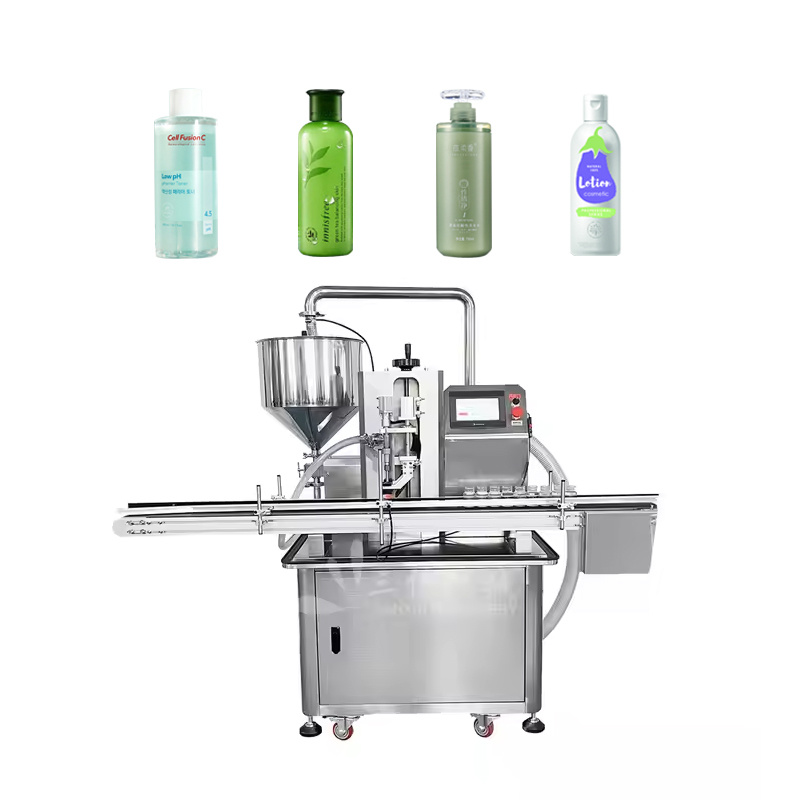
In the fast-paced world of cosmetic manufacturing, the efficiency and effectiveness of filling machines play a pivotal role in the overall production process. **Cosmetic filling machines** are essential for accurately measuring and dispensing products into containers, ensuring that brands deliver a consistent experience to their customers. As the cosmetic market continues to evolve, the need to customize these machines to accommodate unique products becomes paramount.
2. Understanding Your Product Requirements
Before diving into the customization process, it is critical to **understand your product requirements**. Each cosmetic product, whether it be a lotion, cream, serum, or gel, has specific characteristics that dictate how it should be filled. Consider the following elements:
- **Product Composition**: Ingredients largely determine viscosity and stability.
- **Desired Shelf Life**: Packaging needs must align with preservation requirements.
- **Target Market**: Different demographics may have preferences for container types and dispensing mechanisms.
By thoroughly analyzing these components, manufacturers can create tailored solutions that meet both production needs and customer expectations.
3. Types of Cosmetic Filling Machines
When customizing your cosmetic filling machine, it is crucial to understand the different types available on the market. Common filling machines include:
- **Piston Fillers**: Ideal for thicker products.
- **Gravity Fillers**: Suited for low-viscosity liquids.
- **Pump Fillers**: Versatile and adaptable for various product types.
- **Auger Fillers**: Best for powdered cosmetics.
Each type of machine has its strengths and weaknesses. Choosing the right one is the foundation of an effective customization plan.
4. Factors to Consider When Customizing Your Filling Machine
Customization is not a one-size-fits-all approach. Several factors need consideration to ensure that your filling machine meets your product's unique demands.
4.1. Viscosity of Products
Understanding the **viscosity** of your product is critical. Thicker formulations require machines that can exert more force without damaging the product. In contrast, thinner liquids may benefit from gravity-fed systems that prevent overflow and ensure precise filling.
4.2. Container Shapes and Sizes
Cosmetic products come in various shapes and sizes. Customizing the filling machine to accommodate different **container designs** can optimize production efficiency. Whether your products are in tubes, jars, or bottles, adaptability is crucial.
4.3. Filling Accuracy and Speed
Achieving the right balance between **filling accuracy and speed** is paramount. A customized machine should be able to fill containers quickly without sacrificing the precision that customers expect from high-quality cosmetic products.
5. Integrating Technology for Enhanced Functionality
The integration of advanced technology can significantly enhance the functionality of your customized filling machine. Implementing features such as:
- **Automation**: Streamlining the production process and reducing labor costs.
- **Smart Sensors**: Monitoring product levels and ensuring consistent filling.
- **Data Analytics**: Providing insights into production efficiency and product performance.
These technological advancements not only aid in customization but also improve overall operational efficiency.
6. Customization Examples in the Cosmetic Industry
Real-world examples can provide valuable insights into the customization process. For instance, a company specializing in organic skincare may require filling machines that minimize air exposure to preserve product integrity. Alternatively, a high-end cosmetic brand may opt for bespoke container designs that necessitate specialized filling mechanisms.
By examining these scenarios, manufacturers can better understand how to implement effective customizations to meet their unique production needs.
7. Maintenance and Support for Customized Machines
Once a filling machine is customized, ongoing maintenance and support are essential. Regular servicing can prevent downtime and ensure that the machine continues to operate at peak efficiency. Partnering with a reliable supplier who offers comprehensive support is crucial for the longevity of your investment.
8. Conclusion
Customizing your cosmetic filling machine is an investment that can yield significant returns in product quality and brand reputation. By understanding your product requirements, selecting the right machine type, and integrating advanced technologies, you can create a tailored solution that meets the unique demands of your cosmetic line. The journey of customization requires careful planning and execution, but with the right approach, you can stand out in this competitive market.
9. Frequently Asked Questions (FAQs)
What type of filling machine is best for high-viscosity cosmetic products?
Piston fillers are generally the best choice for high-viscosity products because they can exert the necessary pressure to fill thicker formulations accurately.
How can I determine the right filling speed for my production line?
Calculate the desired output per hour and consider your product's characteristics. This will help you determine the ideal filling speed that maintains accuracy without compromising efficiency.
Are there industry standards for cosmetic filling machines?
Yes, there are various industry standards and regulations that must be considered, including those related to safety, hygiene, and product quality. It's essential to ensure your customized machine adheres to these standards.
How often should I service my filling machine?
Regular maintenance is recommended, typically every 3 to 6 months, depending on usage levels. More frequent servicing may be necessary for high-volume production environments.
Can I customize my filling machine for different product types?
Absolutely! Many manufacturers offer configurable filling machines that can be adjusted to accommodate different product types, ensuring flexibility in production.
By implementing these strategies and considerations, you can ensure your cosmetic filling machine is optimized for unique products, enhancing efficiency and product quality in the ever-evolving cosmetic market.
Latest News

Guangzhou Sanxin Machinery Co., Ltd. to Showcase Innovative Equipment at COSMOPACK ASIA 2025
Guangzhou Sanxin Machinery Co., Ltd., a prominent manufacturer specializing in advanced machinery for the beauty and cosmetics industry, is thrilled to announce its participation in COSMOPACK ASIA 2025.
Nov 11,2025

Guangzhou Sanxin Machinery Co., Ltd. to Showcase Advanced Packaging Solutions at CIBE 2025
Guangzhou Sanxin Machinery Co., Ltd. to Showcase Advanced Packaging Solutions at CIBE 2025
Sep 01,2025

Discover Cutting-Edge Packaging Solutions at Booth B39
Discover Cutting-Edge Packaging Solutions at Booth B39
Jul 11,2025

Quality for Survival,Service for Development
ONLINE MESSAGES
Quick links
Copyright © 2024 Guangzhou Sanxin Machinery Co.,Ltd