

-
ProductsTransparent film three-dimensionalpackaging machine SX-750 Transparent film three-dimensionalpackaging machine SX-800A Transparent film three-dimensionalpackaging machine SX-800B Transparent film three-dimensionalpackaging machine SX-660 Transparent film three-dimensionalpackaging machine SX-650
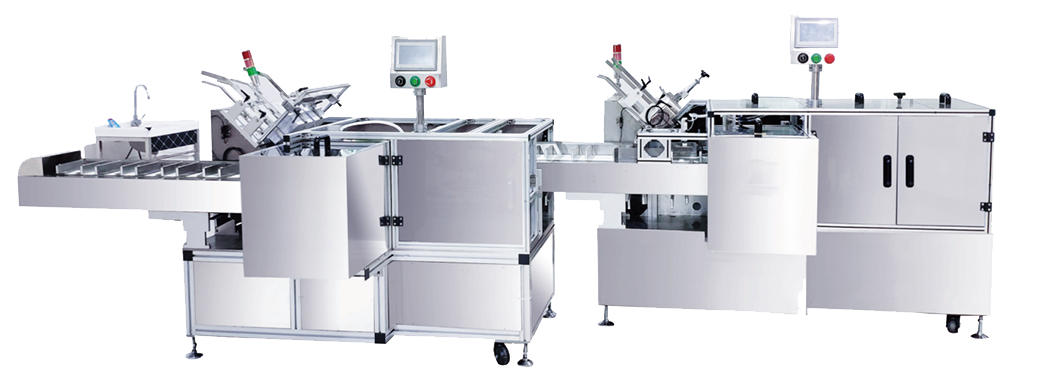
From Manual to Automatic: The Evolution of Sealer Shrink Wrap Machines
Oct 30,2025


From Manual to Automatic: The Evolution of Sealer Shrink Wrap Machines
Table of Contents
- Introduction to Sealer Shrink Wrap Machines
- A Brief History of Sealer Shrink Wrap Technology
- The Era of Manual Sealer Shrink Wrap Machines
- Transition to Automated Sealer Shrink Wrap Machines
- Benefits of Using Automatic Sealer Shrink Wrap Machines
- Current Technologies in Sealer Shrink Wrap Machines
- Future Trends in Shrink Wrap Technology
- Frequently Asked Questions
- Conclusion
Introduction to Sealer Shrink Wrap Machines
In the fast-paced world of packaging, **sealer shrink wrap machines** play a pivotal role in ensuring products are securely packaged for transportation and storage. These machines have evolved significantly over the years, shifting from manual operations to advanced automated systems. This evolution has not only improved efficiency but also enhanced product presentation and protection. In this article, we will explore the journey of sealer shrink wrap machines, from their humble beginnings to the sophisticated automatic systems we see today.
A Brief History of Sealer Shrink Wrap Technology
The history of sealer shrink wrap technology dates back to the 1960s when the **first shrink wrap machines** were developed. Initially, these machines were manually operated, requiring significant human labor to feed products, seal the wraps, and activate the heat necessary for shrinking. As demand for efficient packaging solutions grew, manufacturers began innovating, leading to the introduction of semi-automatic and fully automatic systems.
The transition began with the integration of **electric motors** and **basic sensors**, which allowed for greater precision and speed. These advancements paved the way for the more complex systems we rely on today, where automation and technology work in tandem to streamline the shrink-wrapping process.
The Era of Manual Sealer Shrink Wrap Machines
Manual sealer shrink wrap machines were the backbone of many packaging operations for decades. These machines were relatively simple, consisting of a sealing element and a heat source. Operators would place products on the machine, manually seal the wrap, and then activate the heat source to shrink the film around the products.
While these machines were effective, they had several limitations:
- **Labor-Intensive**: Operators were required to be present throughout the packaging process, leading to high labor costs.
- **Inconsistent Results**: Variations in operator technique could result in inconsistent sealing and shrink results, potentially compromising product integrity.
- **Lower Throughput**: Manual operations limited the number of products that could be packaged in a given time, affecting productivity.
Despite these drawbacks, manual sealer shrink wrap machines remained popular due to their affordability and ease of use for small to medium-sized operations.
Transition to Automated Sealer Shrink Wrap Machines
The demand for higher efficiency and consistency in packaging led to the development and adoption of **automated sealer shrink wrap machines**. These machines integrate advanced technology, such as **sensors**, **conveyor belts**, and **programmable logic controllers (PLCs)**, allowing for a seamless and fully automated packaging process.
Key components of automated systems include:
- **Conveyor Systems**: These systems transport products through various stages of the packaging process, drastically reducing manual handling.
- **Automatic Feeders**: Products are automatically fed into the machine, minimizing the need for operator intervention and speeding up the process.
- **Advanced Heat Control**: Automated systems utilize sophisticated heat control technologies to ensure consistent shrinkage and sealing quality.
The transition to automation has revolutionized the packaging industry, allowing companies to scale their operations and meet growing consumer demands without compromising quality.
Benefits of Using Automatic Sealer Shrink Wrap Machines
The switch from manual to automatic sealer shrink wrap machines offers numerous advantages, making them an ideal choice for businesses looking to enhance their packaging operations. Some key benefits include:
Increased Efficiency
Automated machines can handle a larger volume of products in a shorter amount of time compared to manual machines. The integration of conveyor systems and advanced sensors enables continuous operation, significantly boosting throughput.
Consistent Quality
Automation ensures that each product is sealed and wrapped uniformly, reducing the likelihood of defects. This consistency helps maintain product integrity and enhances the overall customer experience.
Reduced Labor Costs
With fewer operators required to manage the packaging process, businesses can save on labor costs. This reduction allows companies to allocate resources more effectively and focus on other critical areas of operation.
Enhanced Safety
Automated systems minimize the need for manual handling, reducing the risk of workplace injuries. By keeping operators away from potentially hazardous machinery, companies can create a safer work environment.
Flexibility and Versatility
Modern automatic sealer shrink wrap machines are designed to accommodate various product sizes and shapes. This adaptability makes them suitable for a wide range of industries, from food and beverage to pharmaceuticals.
Current Technologies in Sealer Shrink Wrap Machines
Today’s sealer shrink wrap machines are equipped with cutting-edge technologies that enhance their performance and functionality. Some notable advancements include:
Smart Technology Integration
Many modern machines come with **IoT capabilities**, allowing for real-time monitoring and data collection. This connectivity enables operators to track performance metrics, detect issues early, and optimize the packaging process.
Energy Efficiency
Current machines are designed with energy-efficient components, reducing power consumption while maintaining high performance. This focus on sustainability not only lowers operational costs but also benefits the environment.
Advanced Control Systems
Sophisticated control systems allow for precise adjustments during the packaging process. Operators can easily modify settings for different products, ensuring optimal sealing and shrinkage every time.
Enhanced Film Options
With advancements in material science, new shrink films have emerged that offer superior strength and clarity. These films provide better protection and enhance product presentation on shelves.
Future Trends in Shrink Wrap Technology
As technology continues to evolve, the future of sealer shrink wrap machines looks promising. Several trends are shaping the industry:
Increased Automation
Further advancements in automation will lead to even more efficient packaging processes. Companies will continue to invest in automated solutions to meet increasing consumer demands.
Eco-Friendly Packaging Solutions
The push for sustainability is shaping the future of shrink wrap technology. Expect to see more biodegradable or recyclable shrink films and machines designed to minimize waste.
Artificial Intelligence and Machine Learning
These technologies will play a crucial role in optimizing packaging processes, predicting maintenance needs, and improving machine performance over time.
Customization and Personalization
As consumer preferences shift towards personalized products, machines will increasingly offer customization options. This trend will enable businesses to cater to specific market demands effectively.
Frequently Asked Questions
1. What is a sealer shrink wrap machine?
A sealer shrink wrap machine is a device used to package products by sealing them in a plastic film and applying heat to shrink the film tightly around the product for protection and presentation.
2. What are the advantages of using an automatic sealer shrink wrap machine?
Automatic machines offer increased efficiency, consistent quality, reduced labor costs, enhanced safety, and flexibility in accommodating various product sizes.
3. Can automatic sealer shrink wrap machines handle fragile products?
Yes, many modern machines are designed to handle delicate items by ensuring gentler handling during the packaging process.
4. What types of products can be packaged using shrink wrap?
Shrink wrap can be used for a wide variety of products, including food items, electronics, pharmaceuticals, and consumer goods.
5. How do I maintain my sealer shrink wrap machine?
Regular maintenance includes cleaning the machine, checking electrical components, and inspecting seals. Following the manufacturer’s guidelines will help prolong the machine's lifespan.
Conclusion
The evolution of sealer shrink wrap machines from manual to automatic systems reflects significant advancements in packaging technology. These innovations not only enhance efficiency and productivity but also ensure product quality and safety. As we look towards the future, ongoing technological developments will continue to shape the industry, providing businesses with the tools they need to meet the demands of a rapidly evolving market. Embracing these advancements is crucial for manufacturers aiming to thrive in the competitive landscape of today’s packaging industry.
Latest News

Guangzhou Sanxin Machinery Co., Ltd. to Showcase Innovative Equipment at COSMOPACK ASIA 2025
Guangzhou Sanxin Machinery Co., Ltd., a prominent manufacturer specializing in advanced machinery for the beauty and cosmetics industry, is thrilled to announce its participation in COSMOPACK ASIA 2025.
Nov 11,2025

Guangzhou Sanxin Machinery Co., Ltd. to Showcase Advanced Packaging Solutions at CIBE 2025
Guangzhou Sanxin Machinery Co., Ltd. to Showcase Advanced Packaging Solutions at CIBE 2025
Sep 01,2025
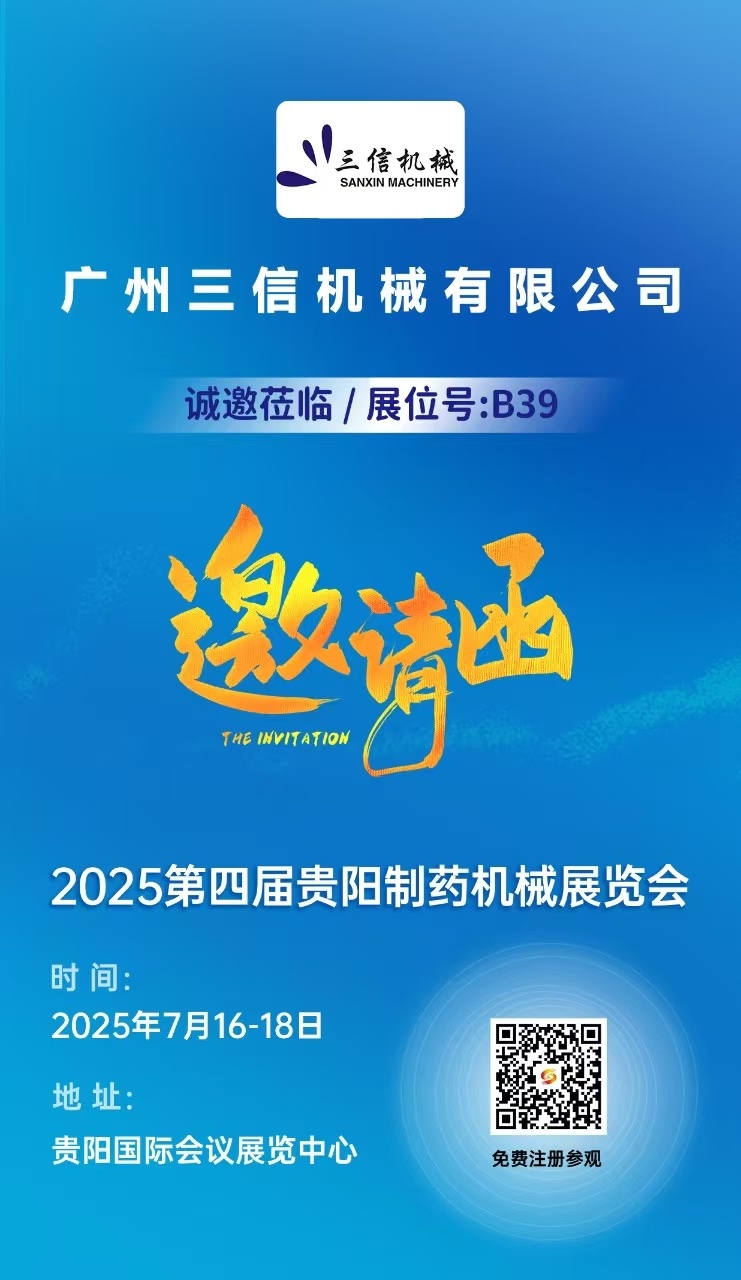
Discover Cutting-Edge Packaging Solutions at Booth B39
Discover Cutting-Edge Packaging Solutions at Booth B39
Jul 11,2025

Quality for Survival,Service for Development
ONLINE MESSAGES
Quick links
Copyright © 2024 Guangzhou Sanxin Machinery Co.,Ltd